Think of us as your sharpest, most reliable friend in the capital. The one who reads all the boring editorials, sits through the parliamentary jargon, and filters out the noise so you don't have to. Every morning at 8 am, we give you a 5 minute long newsletter, that contains select few headlines that matter, with factual information.
Wed | 28 January 2026
|
It is Wednesday, January 28, 2026. The Republic Day bunting is still fluttering in the streets, a little ragged after two days, much like the collective national consciousness as we attempt to return to the grind. But "the grind" is currently on pause for a significant portion of the financial sector, as the bankers have decided that a five-day workweek is a hill worth dying on. If you needed cash today, I hope you planned ahead or have a very understanding kirana store owner. While our ATMs gather dust, the geopolitical tectonic plates are shifting with violence. In New Delhi, the ink is drying on the "Mother of All Deals"—the India-EU Free Trade Agreement. After eighteen years of bureaucratic courting, we have finally tied the knot. Meanwhile, in Beijing, President Xi is cleaning house, and in France, the state has banned social media for anyone under 15. We have a lot to get through. Grab your chai, pull up a chair, and let’s dissect the world. The India Brief: Top Stories🇮🇳🇪🇺 The Handshake of the Century: India-EU FTA Signed
The Take: Finally, we can sip Bordeaux while driving a discounted Mercedes wearing a Tirupur t-shirt. It took 18 years, but this isn't just a trade deal; it's a geopolitical divorce settlement with China that forces Indian manufacturing to finally compete globally. Link 🏦🔒 Cash Crunch: The Bankers’ Strike
The Take: It’s ironic that bankers have to lose money (pay cuts) to get a weekend. In a UPI-dominated India, the physical branch is becoming irrelevant for the elite, but this strike reminds us it’s still the lifeline for the rest of the country. Link 🦅✈️ Wings India 2026: Hyderabad Takes Flight
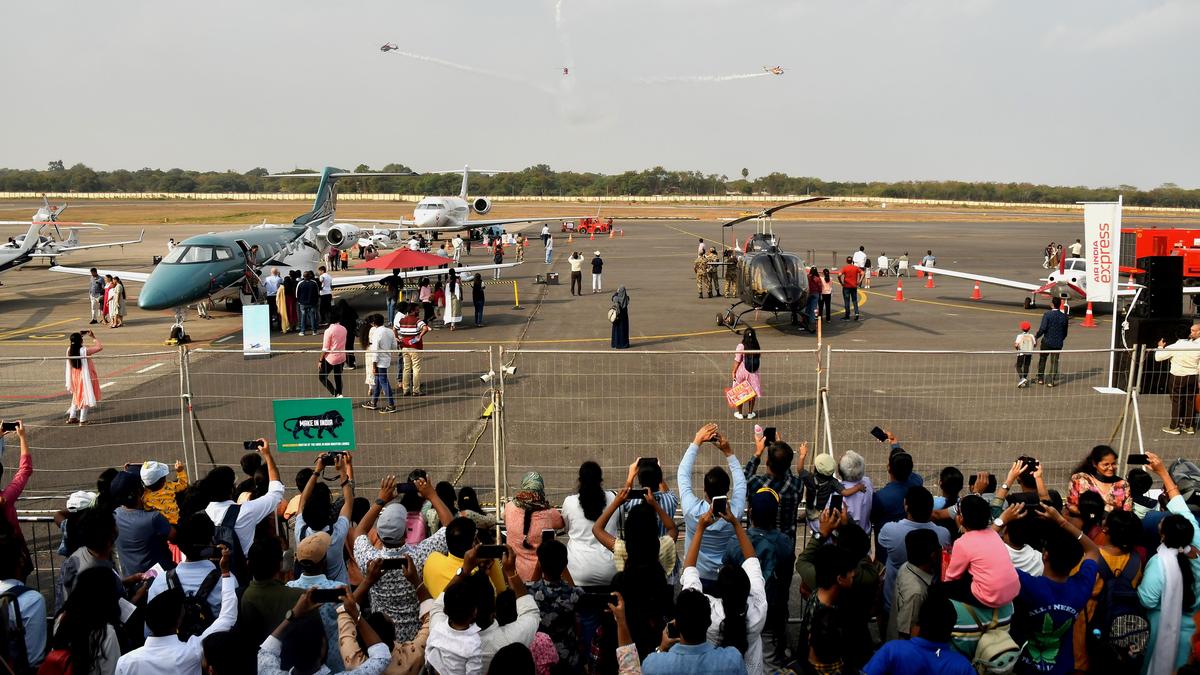
The Take: We are buying planes faster than we can build airports to park them. The expo is glitzy, but with IndiGo's profits crashing due to engine issues and taxes, the industry is flying through severe turbulence despite the shiny exterior. Link 🎓⚖️ The "Caste" of Campus: UGC Rules Challenged
The Take: Only in India can an anti-bias law be sued for being biased. While protecting the marginalized is essential, creating a "two-tier" justice system on campus where some students have no recourse is a recipe for further polarization, not inclusion. Link 🎤💔 The Voice Fades Out: Arijit Singh Retires
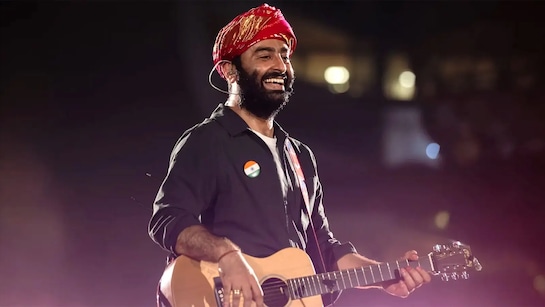
The Take: Breaking up with Bollywood is the ultimate "sad boi" move. Arijit is basically saying, "I’ll sing, but not for you." It highlights the creative bankruptcy of an industry that relies on one man to save every mediocre soundtrack. Actually a good move that the editor loves. We are with you Arijit Link World Watch: Top GlobaL🇨🇳⚔️ Xi’s Red Wedding: General Zhang Purged
The Take: When Xi purges his enemies, it’s Tuesday. When he purges his best friend and top general, it’s panic. The PLA might have new ships, but if the admirals are in handcuffs, the fleet is rudderless. Link 🇮🇱🇵🇸 Netanyahu’s "Demilitarization" Plan
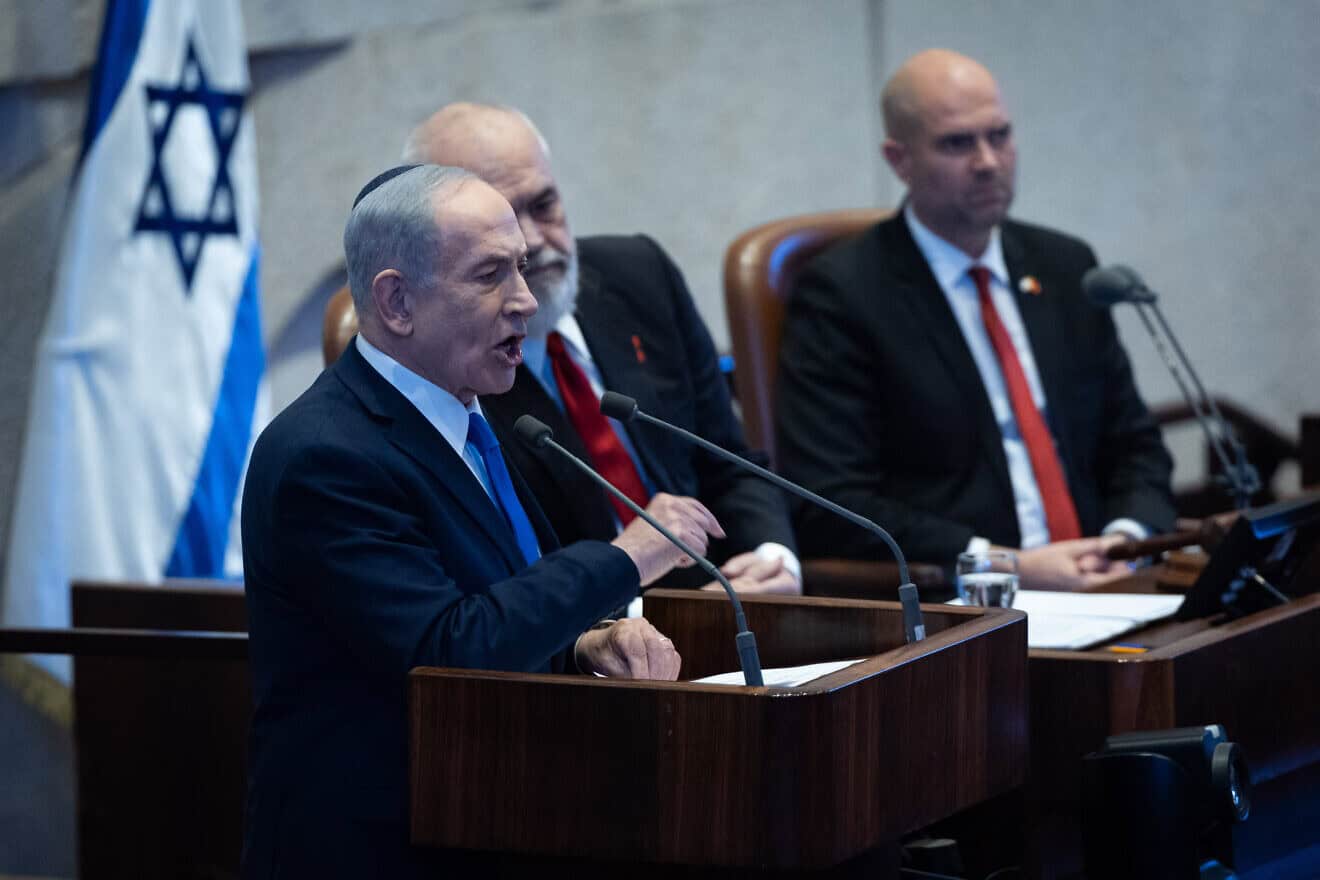
The Take: The "day after" in Gaza looks exactly like the "day before," but with more checkpoints. Netanyahu is drawing a line in the sand that virtually guarantees the cycle of violence will continue for another generation. Link The Deep Dive: The MasterclassSubject: The "Mother of All Deals" – Decoding the India-EU FTA
For eighteen years, the India-EU Free Trade Agreement (FTA) was the "Flying Dutchman" of diplomacy—always sighted, never landed. Yesterday, the ghost ship finally docked in New Delhi. This isn't just a trade deal; it is a fundamental rewiring of the Indian economy. The sticking points were always the same: Europe wanted to sell us cars and wine; we wanted to sell them textiles and software. The compromise reached is historic. The EU will eliminate tariffs on over 90% of Indian goods immediately. For India’s textile hubs like Tirupur, this is oxygen. Previously, they paid 9-12% duty while Bangladesh paid zero. That disadvantage is now gone. We can expect a massive capex cycle in garment manufacturing as Indian exporters finally play on a level field. In return, India has opened its fortress. Duties on European cars will drop from 110% to 10% over seven years. This will hurt domestic premium manufacturers, but the "calibrated" timeline gives them a window to adapt. Similarly, Scotch and French wine will become affordable, challenging the local monopoly. But the real story is geopolitical. Europe is desperate to "de-risk" from China. They need a large, democratic partner to manufacture their goods and buy their products. India was the only option. By signing this, India has traded "Atmanirbhar" (Self-Reliant) for "Inter-dependent" with the West. It signals to the world that the "Bombay Club" of protectionism no longer holds a veto over India’s global ambition. We are open for business, and for the first time, again, the world is actually buying. Sign-OffQuestion of the Day: With Arijit Singh retiring from playback singing, which artist do you think will define the next decade of Bollywood sound? Or is the era of the "Monopoly Voice" over? Stay informed. Stay safe. And if you are in Pune, boil your water. Aditya S. Editor, The India Brief OneRead.News |

)

_20260127150819_original_image_4.webp)
The India Brief
Think of us as your sharpest, most reliable friend in the capital. The one who reads all the boring editorials, sits through the parliamentary jargon, and filters out the noise so you don't have to. Every morning at 8 am, we give you a 5 minute long newsletter, that contains select few headlines that matter, with factual information.