Think of us as your sharpest, most reliable friend in the capital. The one who reads all the boring editorials, sits through the parliamentary jargon, and filters out the noise so you don't have to. Every morning at 8 am, we give you a 5 minute long newsletter, that contains select few headlines that matter, with factual information.
Tue | January 20, 2026
|
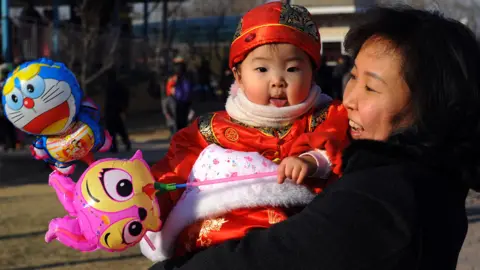
New Delhi was buzzing yesterday with a three-hour power visit from the UAE President that probably achieved more than most corporate strategy teams do in a decade. Also, a massive drop in China’s birth rate that should terrify economists, and a wedding in Madhya Pradesh that hosted 2,500 people without generating enough trash to fill a dustbin. The India Brief: Top StoriesNational developments that matter, analysed for the informed citizen. 🤝 The Three-Hour Transformation
The TakeThis sprint diplomacy signals India's "New Middle East" policy: distinct, transactional, and fast. By locking in long-term energy and defence deals now, New Delhi is insulating itself from regional instability while the UAE diversifies its security dependence away from the West. 🎬 CBI Grills Actor Vijay
The TakeThis investigation threatens to derail Vijay's political launchpad just as he transitions from cinema. If the CBI pins negligence on his leadership, it could cripple his party's narrative before the next elections, turning a tragedy into a political weapon. 💰 Where the Penalty Money Goes
The TakeBy ring-fencing penalty cash for actual repair work, the government is trying to turn punitive fines into a revolving fund for ecological restoration, though state-centre friction over the 75-25 split is likely. 📉 IMF Predicts Growth Dip
The TakeThe "rebound sugar rush" is over. A slide to 6.4% indicates the economy needs structural reforms, specifically in private consumption and manufacturing to sustain momentum, rather than relying solely on government capex to do the heavy lifting. 🏔️ UP Goes Green at Davos
The TakeUP is betting big that its massive consumer base is enough to lure green investment. Also, btw, we are 100% sure waste to energy plants are the solutions, right? 📱 Andhra's NRI Push
The TakeNaidu is playing to his strengths. By targeting the diaspora not just for remittances but for enterprise, he is trying to import the Silicon Valley mindset directly into Andhra's economy, a strategy that worked for him in the IT boom of the 90s. World Watch: Top Global StoriesThe world beyond our borders, affecting our future. 📉 China's Birth Rate Collapse
The TakeChina is getting old before it gets rich. This isn't just a statistic; it's a civilisational crisis that no amount of CCP stimulus can fix. A shrinking China changes the global economy from one of "abundant cheap labor" to "structural inflation." But, is this something of concern, seeing the carrying capacity of our globe is not too high? 🚄 Tragedy in Spain
The Good StuffPositive news to brighten your day. The Wedding That Saved 200kg of CO2
In Madhya Pradesh, a couple hosted 2,500 guests with zero waste. No plastic, no food thrown away (composted), and no cash gifts—guests brought saplings instead. They proved that Indian weddings can be grand without being garbage dumps. The Dentist Saving Lives
A Kashmiri dentist has spent 20 years training ordinary citizens in Basic Life Support (BLS). He’s turned shopkeepers and students into first responders, saving countless lives in a region where emergency services can be delayed. A Smoke-Free Village
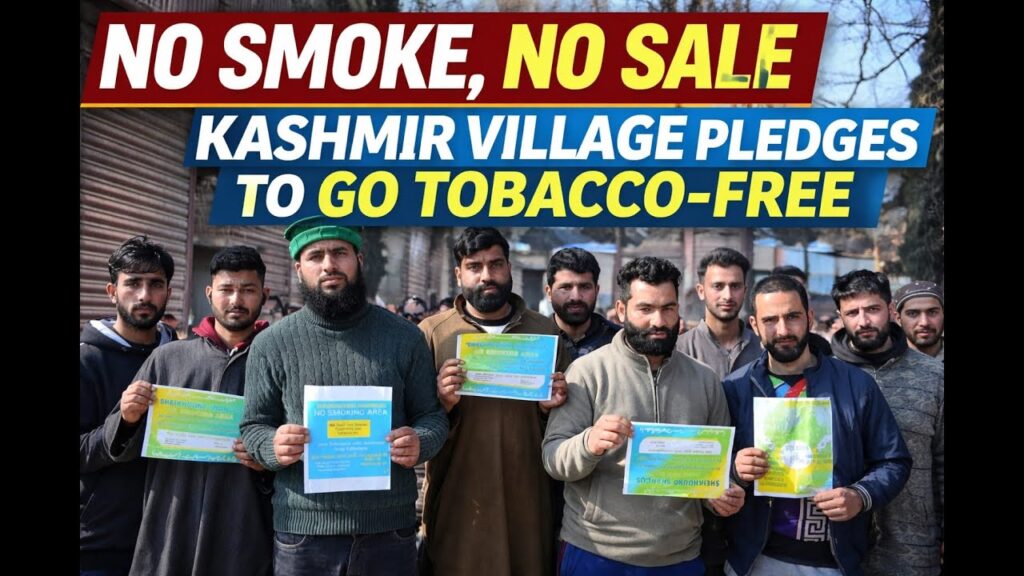
The village of Sheikhgund in Kashmir has collectively banned smoking and tobacco. Through community enforcement, they’ve achieved what expensive government campaigns often fail to do: create a 100% addict-free zone. The Deep Dive: The MasterclassThe Billionaire’s Campfire: Why Indian States Are Fighting in the Snow
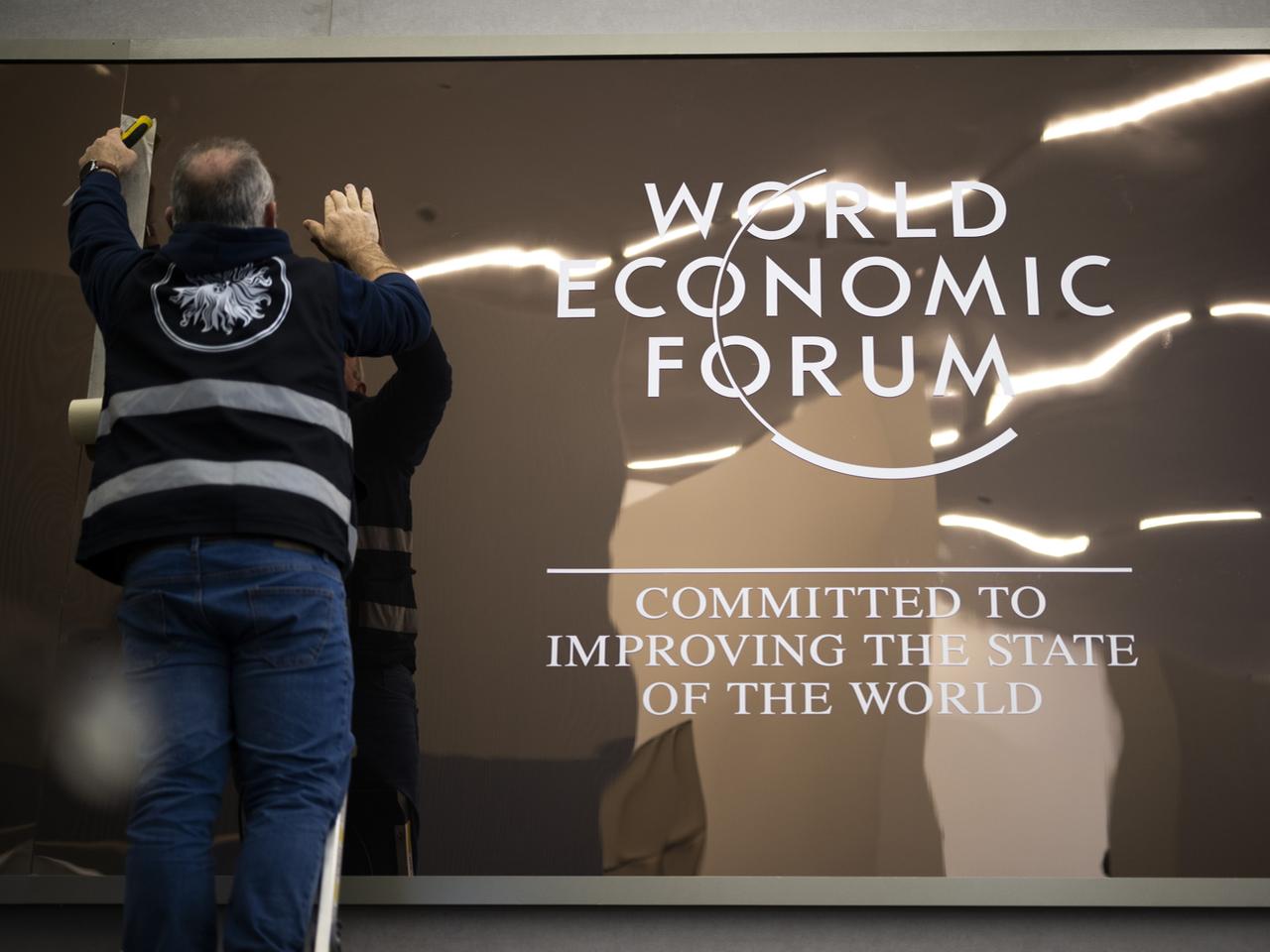
Picture a tiny Swiss village called Davos. It is freezing, expensive ($20 for a hot chocolate is a "deal"), and for one week every January, it becomes the center of the universe. This week, a massive delegation from India, including six Chief Ministers has landed there. Why? Because the World Economic Forum (WEF) isn't just a conference; it is a marketplace for money, and Indian states are fighting to bring some of it home. The "What" and "Why" Founded in 1971 by Klaus Schwab, the WEF was designed to be a "socialising institution" for the global elite. It is where CEOs, Presidents, and Activists meet in a "neutral" space. The logic is simple: If you lock the 3,000 most powerful people in a snowy village with bad Wi-Fi, they are forced to talk to each other. Deals that usually take six months of emails can happen over a single dinner. It creates a "spirit of dialogue" (and a lot of FOMO). If you aren't there, you don't matter. The Indian Hustle: Competitive Federalism This year, the story isn't just "India Inc."; it is "India's States." Chief Ministers from Maharashtra, Telangana, Karnataka, and Uttar Pradesh are running their own pavilions.
The Verdict It’s a spectacle, yes. Critics call it a "talk shop" for the out-of-touch. But for Indian states, it’s a necessary hustle. We are witnessing Competitive Federalism on steroids. The CMs know that in a slowing global economy, capital is scarce. You have to go to the mountain (literally) to fetch it. So, while the politicians freeze in their suits, remember: they are there to ensure the factories and jobs thaw out back home; if they can let some money slip off of their pockets. Sign-OffSee you tomorrow. Stay sharp. — Aditya S. |




/english-betterindia/media/media_files/2026/01/16/sustainable-wedding-2026-01-16-17-38-34.png)
/english-betterindia/media/media_files/2026/01/19/featured-img-2026-01-19-19-49-11.png)
The India Brief
Think of us as your sharpest, most reliable friend in the capital. The one who reads all the boring editorials, sits through the parliamentary jargon, and filters out the noise so you don't have to. Every morning at 8 am, we give you a 5 minute long newsletter, that contains select few headlines that matter, with factual information.