Think of us as your sharpest, most reliable friend in the capital. The one who reads all the boring editorials, sits through the parliamentary jargon, and filters out the noise so you don't have to. Every morning at 8 am, we give you a 5 minute long newsletter, that contains select few headlines that matter, with factual information.
Trump's $1B Board of Peace: India is invited
|
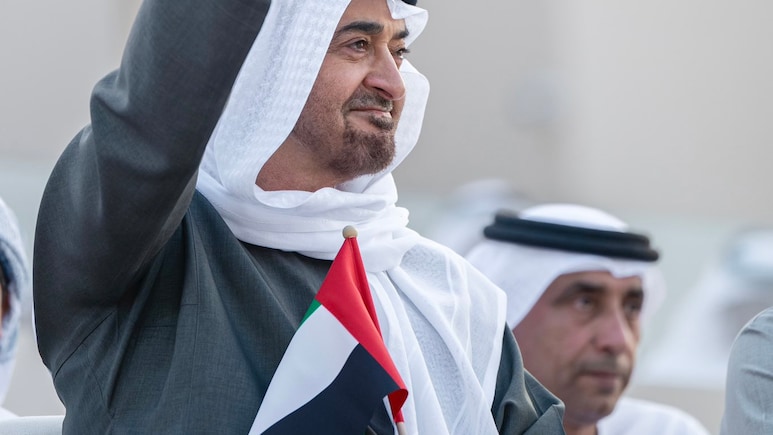
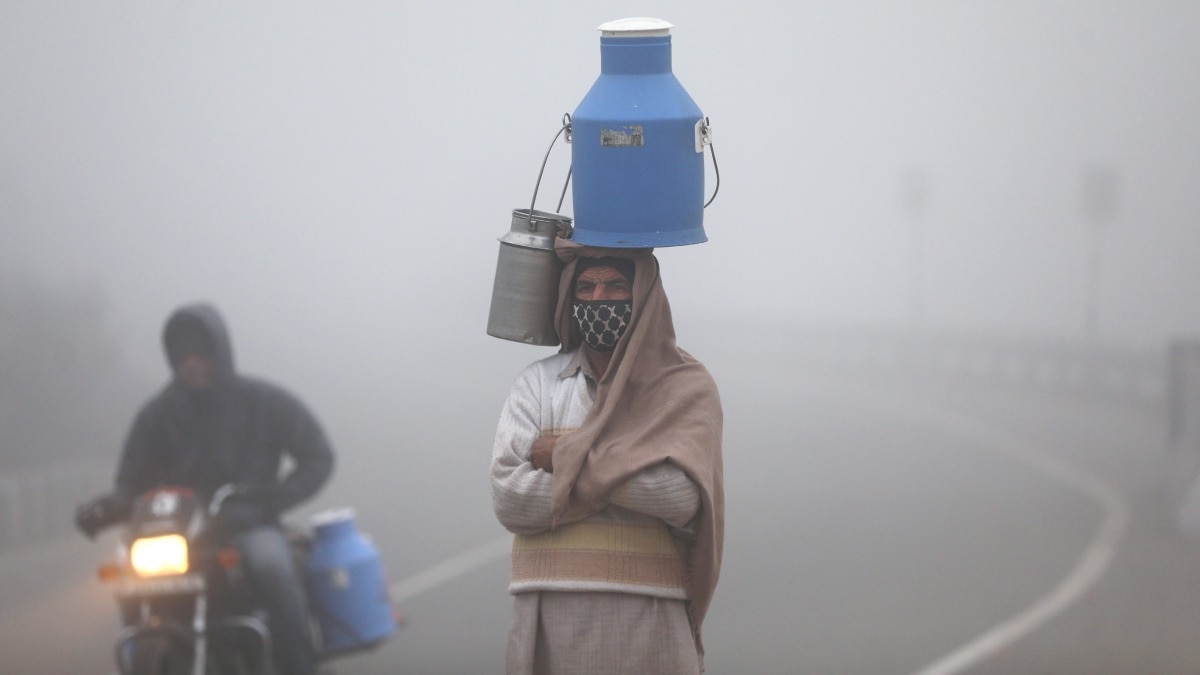
Welcome to another edition of The India Brief. If you're feeling a bit groggy, you aren't alone, half of North India is currently squinting through a "very dense" fog, while the other half is squinting at their stock portfolios after the weekend’s earnings reports. Today is a big one: the UAE President is in town, Trump is selling seats on a "Peace Board" for a cool billion, and men's cricket team is having a tough day. Let’s make sense of the madness so you can sound like the smartest person on your Zoom call. Buckle up. To subscribe your friends: https://india.oneread.news Geopolitics & Diplomacy🇦🇪 UAE President Lands: Strategic Sync
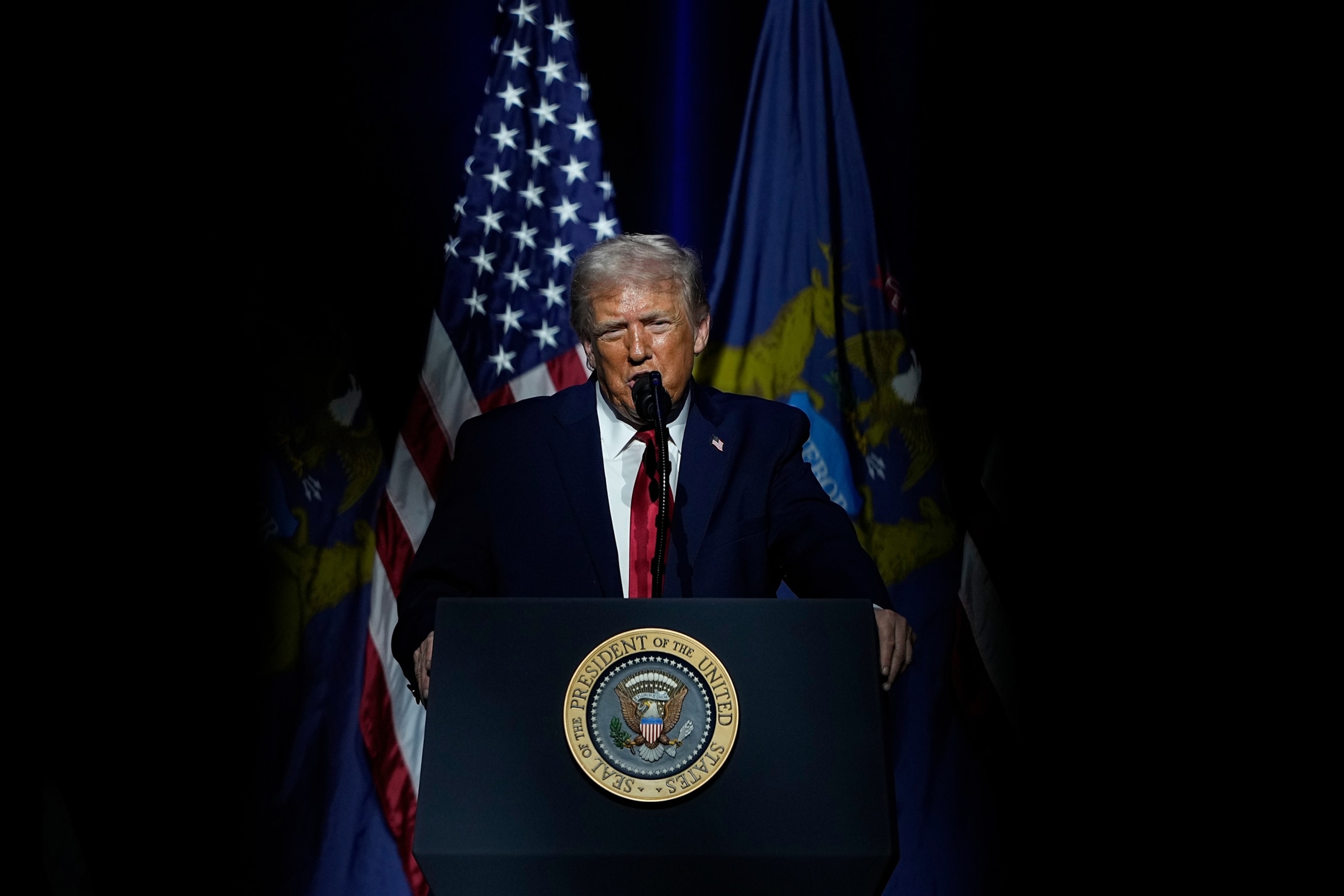
The TakeThis isn't just a chai summit; it's a "Middle Power" huddle. With Trump attempting to privatise peace in Gaza, MBZ and Modi are likely coordinating their buy-in price. The shift from oil to AI and data sovereignty marks a critical evolution in the Indo-Abrahamic alliance; they are building a tech stack independent of the West. 🇺🇸 Trump’s $1 Billion Peace Ticket
The TakeTrump is effectively floating an IPO for global governance. For India, the $1 billion entry fee is peanuts for a seat at the high table, bypassing the UN deadlock; but it would officially put India in a bloc that it has bought in. Also, joining a "pay-to-play" board that includes Pakistan creates a diplomatic minefield and risks undermining the very multilateralism New Delhi usually champions. Economy & Infrastructure🛤️ Railways’ 2027 Safety Push
The TakeThis is an admission that safety standards were lagging behind the Vande Bharat hype. By replacing track lengths equivalent to India's coastline, the Railways is finally prioritising asset reliability. This is a massive, necessary stimulus for the steel sector, but expect "traffic blocks" (delays) to be the commuter’s constant companion next year. 📈 Reliance & HDFC Hold Steady
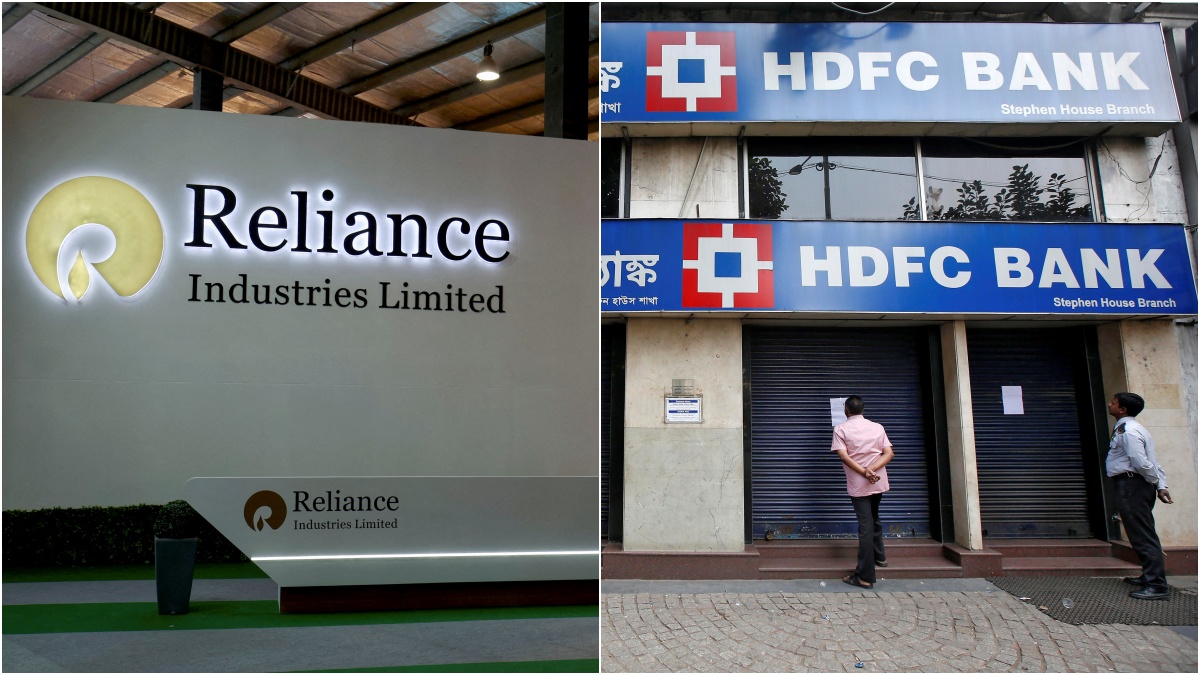
The TakeA tale of two titans. Reliance is using its cash cows to fund a massive Green Energy pivot, accepting flat profits as the cost of transition. HDFC, meanwhile, is squeezing margins to hoard cash (deposits) in a liquidity-starved economy. The era of "easy growth" is over; it's now about efficiency and scale. Politics & Society❄️ North India’s Fog Paralysis
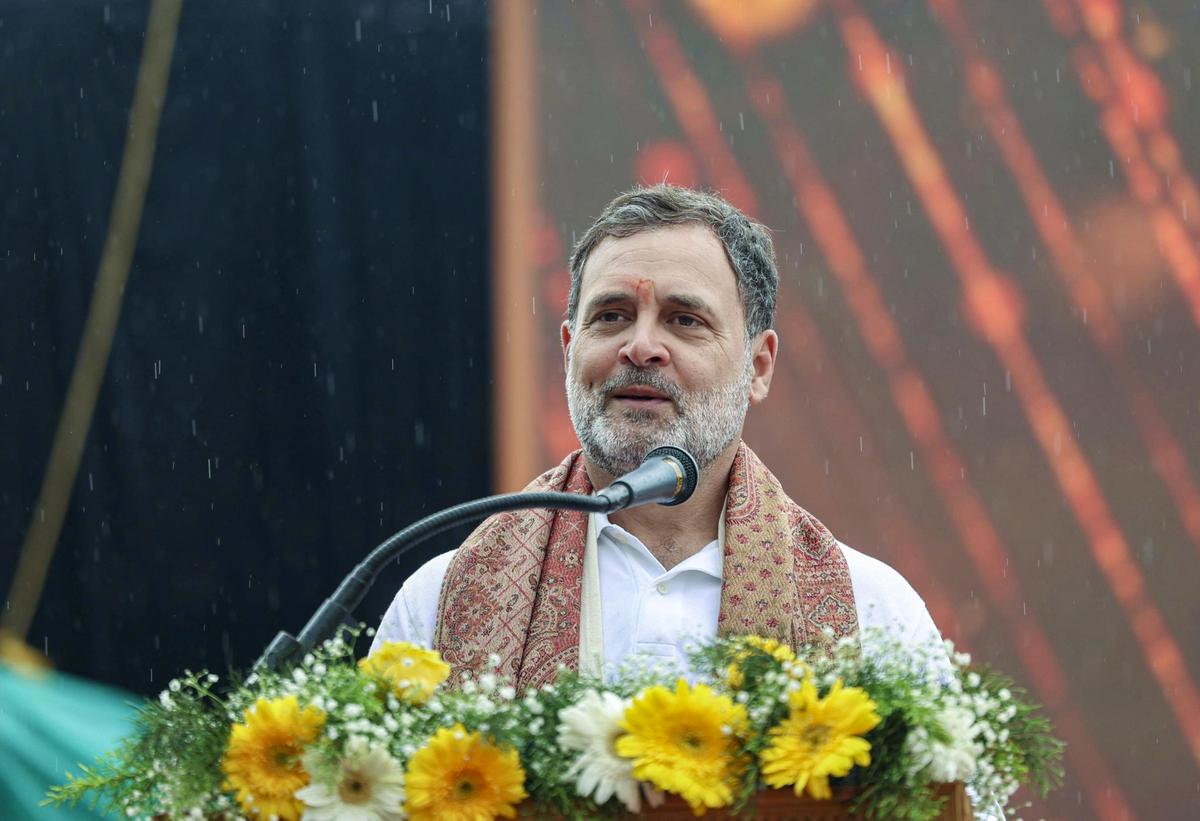
🗳️ Rahul Gandhi’s Grassroots Push
The TakeCongress is trying to fix its "roof" by strengthening the "foundation." By bypassing state factionalism and speaking directly to local body reps, Gandhi is attempting a bottom-up mobilisation. It’s a necessary move to counter the Left's superior organisational machinery before the election cycle kicks into high gear. Sports & Innovation🏏 New Zealand Conquers Indore
The TakeThe "Indore defeat" proves that individual brilliance (Kohli) cannot mask systemic fragility. India’s middle order crumbled under scoreboard pressure, while the Kiwis used data and IPL experience to dismantle the "mystery" of Indian conditions. 🇨🇭 Davos 2026: Team India
The TakeThe hunt for FDI has moved from the PMO to the States. This "competitive federalism" is healthy; global investors want local stability, not just national promises. India is selling itself as the "hedge" against China and the volatility of the US; a safe harbour with scale. 💡 Ravenshaw’s Blockchain Innovation
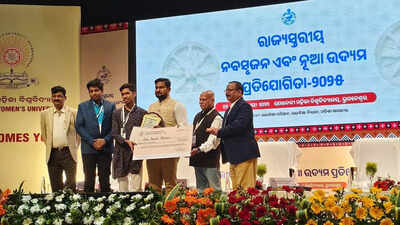
The TakeThis is the maturity of "Startup India." We are moving beyond delivery apps in metros to solving deep-rooted rural problems with frontier tech. If scaled, this could be the digital backbone for the ODOP (One District One Product) scheme, proving that innovation can come from Tier-2 universities, not just IITs. 👁️ Entod’s Vision: Eye Drop Breakthrough
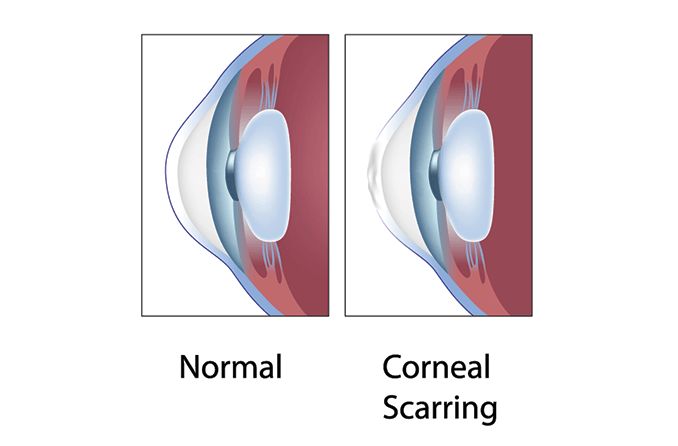
The Take"Frugal Innovation" at its finest. Repurposing an existing BP drug for eyes avoids billions in R&D costs and creates an affordable solution for the masses. This is exactly the kind of "tropical medicine" leadership India needs to take, focusing on diseases that Big Pharma ignores because the margins aren't high enough. 🪖 Republic Day Prep: "Operation Sindoor"
The TakeThe message is for the neighbors. By displaying "battle formations" rather than just isolated tanks, the Army is signaling readiness and integration. The inclusion of new commando units highlights the shift towards counter-terror and rapid reaction capabilities, moving away from the sluggish, heavy-armor doctrines of the past. The center is milking the "Operation Sindoor" cow as much as it can, and why shouldn't they. World Watch: Top Global News🇨🇳 China's Weakest Growth in 3 Years
The TakeChina is exporting its deflation to the world. By flooding global markets with goods to compensate for weak local demand, Beijing is triggering the very tariffs (from US/EU) that threaten its growth. It's a vicious cycle: export more -> get tariffed -> economy slows -> export more. 🇧🇷 EU-Mercosur Deal: Trade Mega-Bloc
The TakeGeopolitics trumped agriculture. Faced with a hostile US, Europe needed a win. This deal creates a market of 700 million people, reducing reliance on China and the US. It forces European farmers to compete but secures critical supply chains for the bloc in a fragmenting world. 🇯🇵 Japan’s Nuclear Restart: Alarm Failure
The TakeThe public is already skeptical; any technical failure, however minor, reinforces the "Fukushima fear." Japan needs this power to reduce LNG imports, but it cannot afford a single safety slip-up. The grid remains fragile. The Good Stuff: Uplifting Stories
The Deep Dive: The Board of Peace & The Billion-Dollar Seat
The architecture of global diplomacy is being renovated, and the entry fee is steep. The revelation of President Trump’s "Board of Peace" for Gazaan d potentially for the world marks a paradigm shift from Moral Multilateralism to Transactional Realism. For seventy years, the United Nations Security Council (UNSC) has been the arbiter of global security. Its currency was legitimacy and veto power, held by the victors of WWII. Trump’s proposal introduces a new currency: Cash. By offering a "permanent seat" on the Board of Peace for a $1 billion contribution, Washington is essentially floating an IPO for global governance. Why does this matter for India? New Delhi has spent decades knocking on the UN’s door for a permanent seat, blocked by the inertia of the P5 (specifically China). This new Board bypasses that deadlock. It offers a shortcut to the high table. The $1 billion "subscription fee" is a trivial amount for a $4 trillion economy like India to secure a voice in the reconstruction of West Asia, a region critical to our energy security and diaspora. However, the "Buy-In" model comes with ethical and strategic baggage. It privatises diplomacy. If peace is managed like a corporate board, decisions may prioritise the interests of the "shareholders" (donors) over the stakeholders (the people of Gaza). Furthermore, it creates a parallel system that undermines the UN. If India joins, it legitimises this alternative order. The inclusion of Pakistan in the invite list further complicates the calculus, suggesting the US wants to bind all nuclear-armed regional stakeholders into a single financial framework, government at the wills and whimsy of itself (or some people). The invitation is in. The RSVP will define India's foreign policy for the next decade: do we stick with the principled, gridlocked UN, or buy shares in the new, efficient, but transactional American order? Sign-OffQuestion of the Day:
Aditya S. Editor, The India Brief OneRead.News Ps: Please feel free to forward this to your loved ones. To subscribe: https://india.oneread.news |






/english-betterindia/media/media_files/2026/01/16/apple-ice-2026-01-16-17-53-36.jpg)
The India Brief
Think of us as your sharpest, most reliable friend in the capital. The one who reads all the boring editorials, sits through the parliamentary jargon, and filters out the noise so you don't have to. Every morning at 8 am, we give you a 5 minute long newsletter, that contains select few headlines that matter, with factual information.